Stopping Hygiene Recall Leakage with an Automated Dental Recall System

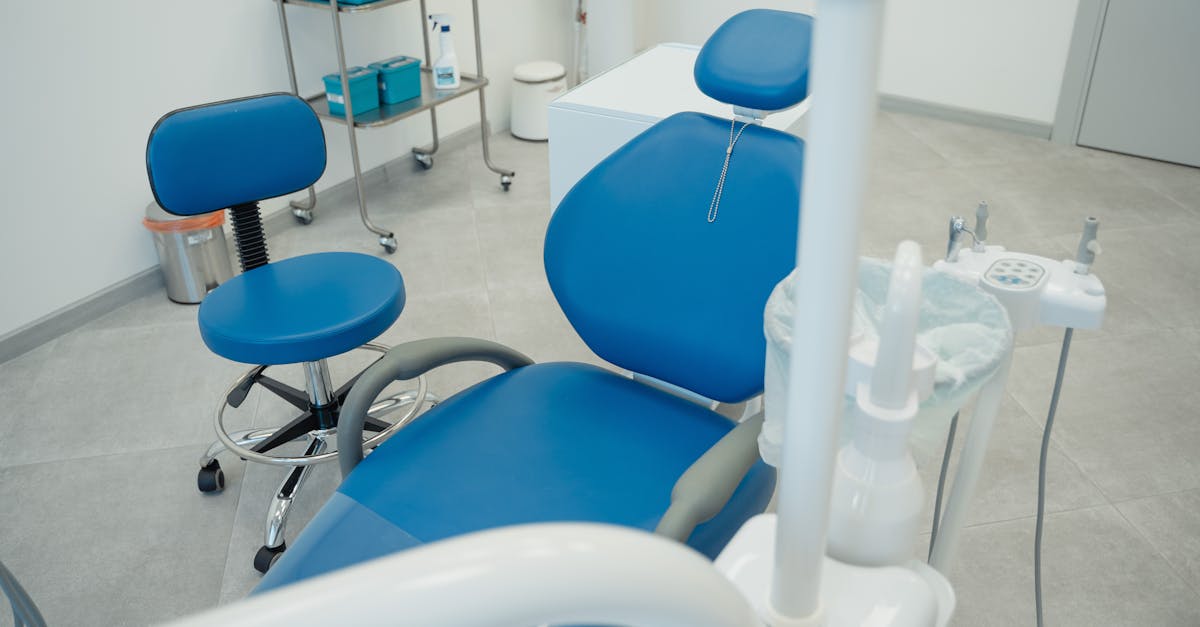
As practice owners and operators, we all know that the hygiene department is the true heartbeat of dental practice health. When your prophy and perio chairs are consistently filled, the rest of the clinical schedule flows naturally. Comprehensive oral exams lead to necessary restorative treatment plans, timely crown replacements, and meaningful patient conversations regarding long-term oral care.
Yet in practice after practice, hygiene recall remains one of the most persistent operational leaks. We run monthly recall reports in our practice management software, print out thick paper lists of overdue patients, and hand them to our front desk team with high expectations. But by midafternoon, between managing patient check-ins, answering ringing phone lines, collecting copays, and dealing with immediate room turnover, those recall lists sit untouched on the counter.
The Day-to-Day Friction of Manual Recall
When recall relies entirely on manual effort, patients inevitably slip through the administrative cracks. A patient due for a routine prophy receives a single phone call, goes straight to voicemail, and is quickly forgotten. A complex periodontal maintenance patient on a strict recall cycle misses an appointment and drifts for half a year before anyone on the team notices.
This friction is compounded by current industry headwinds facing modern offices. Recent survey data reveals that "about 62% of dentists named staffing shortages as the biggest challenge facing their practices" while "only 60% of dentists have an adequate number of dental hygienists on staff" across the country. With administrative and clinical teams already stretched thin, expecting your front desk coordinator to spend hours playing phone tag with unconfirmed or overdue patients is simply unsustainable.
When hygiene recall breaks down, the cost goes far beyond an empty chair on a Tuesday morning. It is a compounding loss of patient touchpoints, diagnostic opportunities, and preventative clinical care. Over time, patients who drop off the schedule quietly drift away to competing practices simply because no one maintained timely, consistent communication.
How an Automated Dental Recall System Changes the Workflow
This is where an intelligent AI employee completely shifts the operational dynamic of your front office. Rather than treating recall as a sporadic, manual chore, an AI Recall Specialist operates continuously in the background, working alongside your existing practice management software like Dentrix or Open Dental.
Instead of relying on manual phone calls during office hours when patients are busy at work, an automated dental recall system initiates personalized, multi-channel outreach via structured text and email sequences. It automatically identifies patients who are due or overdue for cleanings, delivers tailored reminders, and provides instant online scheduling links so patients can book their appointment directly from their smartphone.
When a patient texts back asking to change their appointment time or inquiring about open hygiene slots, the AI agent manages the conversation instantly, fitting them into available time blocks without creating schedule overlaps. By taking over the tedious burden of chasing overdue cleanings, practices experience immediate operational relief, much like the strategies explored in [Restoring Calm to the Front Desk](/blog/restoring-calm-to-the-front-desk-how-ai-triage-and-smart-scheduling-protect-patient-care).
Keeping Chairs Full and Protecting Practice Production
Implementing an automated dental recall system does far more than eliminate administrative friction; it stabilizes practice production and protects long-term patient retention.
When your recall engine runs automatically on a scheduled drumbeat, overdue prophy and perio patients return to the clinical schedule systematically. Gaps in the hygiene schedule are identified early and filled long before they turn into lost production. Furthermore, maintaining consistent digital contact with your patient base prevents the quiet drop-off of regular patients, reinforcing concepts discussed in [Stop the Silent Drift](/blog/stop-the-silent-drift-how-ai-keeps-your-salon-chairs-full).
When patients remain committed to their regular hygiene visits, your clinical team catches restorative needs early—whether that means identifying localized decay, scheduling necessary SRP procedures, or updating an outdated FMX series. The patient receives superior clinical care, your hygiene chairs remain filled, and your front desk team can focus on warmly greeting the patient standing right in front of them.
Deploying an AI employee to manage recall ensures that no patient falls through the administrative cracks again, giving your practice a predictable, full schedule week after week.