Automating Construction Daily Logs to Keep Jobs on Schedule

The High Cost of the Paperwork Shift
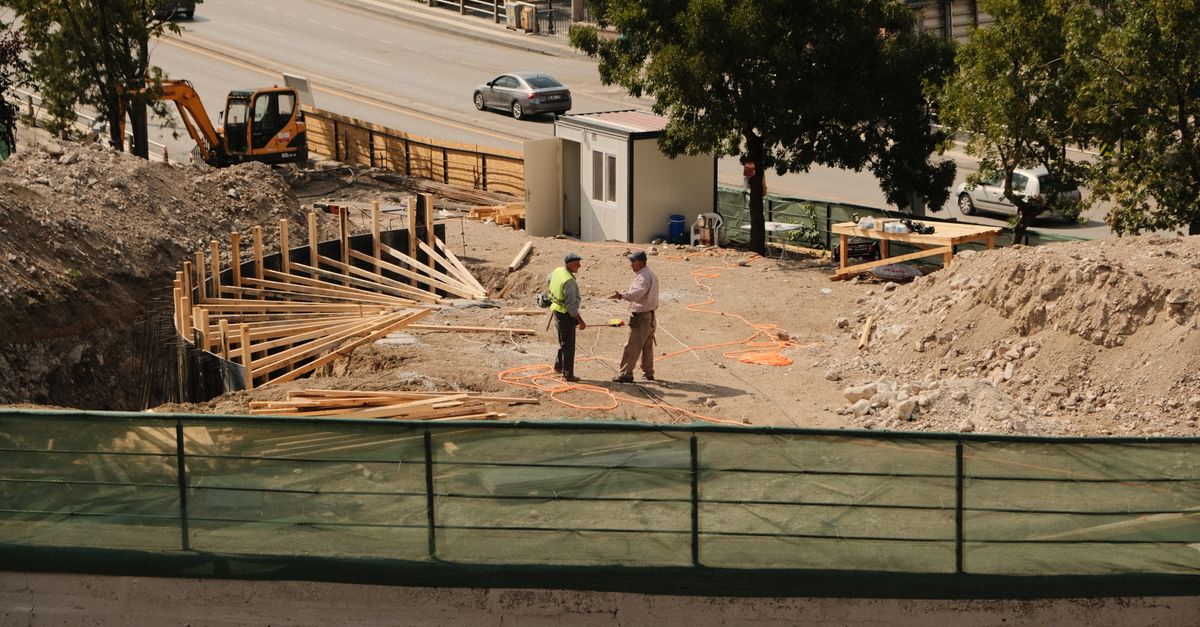
Every general contractor knows the feeling of walking a job site late in the afternoon. The concrete pour wrapped up, the framing crew finished their runs, and sub trades are packing up their trucks. But for your jobsite superintendent, the hardest shift is just beginning. Instead of managing field logistics, walking critical path items, or coordinating subtrades for tomorrow morning, they sit in a trailer typing out daily reports, logging submittals, and sorting through site photos.
When 92 percent of contractors report they are having a hard time filling open positions, pulling experienced field leaders off the dirt to sit behind a laptop creates massive operational friction. A superintendent's primary value lies in active management, safety oversight, and resolving trade conflicts before they cause rework. Forcing them to spend precious energy typing reports leads to shallow logs, delayed RFIs, and unrecorded project scope changes.
How Field Documentation Collapses Under Pressure
Field reporting fails when job sites get chaotic. When trades stack up and schedules get tight, superintendents focus on putting out fires. Daily logs get pushed to the end of the week or skipped entirely. When reports are rushed, critical details vanish. Weather impacts are noted vaguely, subcontractor headcount errors go uncorrected, and site deficiencies sit undocumented until punch list walkthroughs.
This document lag creates severe legal and financial vulnerability. When unexpected ground conditions or trade delays hit, you need concrete historical logs to justify change orders and schedule extensions. Without precise daily documentation, owner negotiations degrade into memory contests. Just as [speed to lead bottlenecks in automotive sales](/blog/why-your-dealership-internet-leads-go-cold-and-how-ai-fixes-speed-to-lead) undermine deal flow, delayed site updates undermine your contract leverage and delay retainage release.
Industry data shows that 45 percent of construction firms say labor shortages are causing project delays. When your superintendents spend hours handling site administrative chores, those labor shortages become even harder to absorb. Rushing through daily reports means critical RFIs sit unnoticed in email threads, trades show up without clear instructions, and minor schedule slips snowball into major milestones missed.
What Voice-Driven Field Automation Actually Looks Like
Deploying an AI employee transforms field reporting from a burdensome chore into a quick voice dictation. A superintendent simply speaks their observations into their phone while walking the job site. They dictate which trades were present, material deliveries received, equipment active on site, safety briefings conducted, and potential scope changes observed.
The AI agent transcribes the raw voice input, categorizes every trade detail, formats the daily log automatically, and files it directly into your project management system. Photos taken on site are categorized and attached to the correct log entries. If the superintendent mentions a structural interference or drawing discrepancy during their walk, the AI immediately flags it, drafts an RFI, and routes it to the project manager for review.
Much like [administrative documentation traps in accounting](/blog/the-tax-season-document-trap-how-ai-restores-your-practice-s-billable-capacity) drain billable capacity from senior staff, manual jobsite logging drains productivity from your best field leaders. Voice automation gives your superintendents their time back while capturing richer field data than any manual report ever produced.
Reclaiming Field Focus and Protecting Your Bottom Line
When field documentation flows effortlessly, project visibility improves across the entire company. Project managers no longer have to call job site trailers to ask if subtrades showed up or if inspections passed. Everything is updated in real time across drawing logs, schedule tracking, and trade coordination.
Subcontractors receive timely schedule updates and change order notifications before trade overlaps create site friction. Safety inspection scheduling happens automatically based on upcoming trade phases. Equipment tracking updates in real time so idle machinery can be redeployed across active jobs rather than generating unnecessary rental fees.
Most importantly, your superintendents return to doing what they do best: leading crews, enforcing quality standards, and keeping your jobs moving safely on schedule. Field paperwork no longer competes with site management.