Real Estate AI for the Open House Process: Stopping Weekend Lead Loss

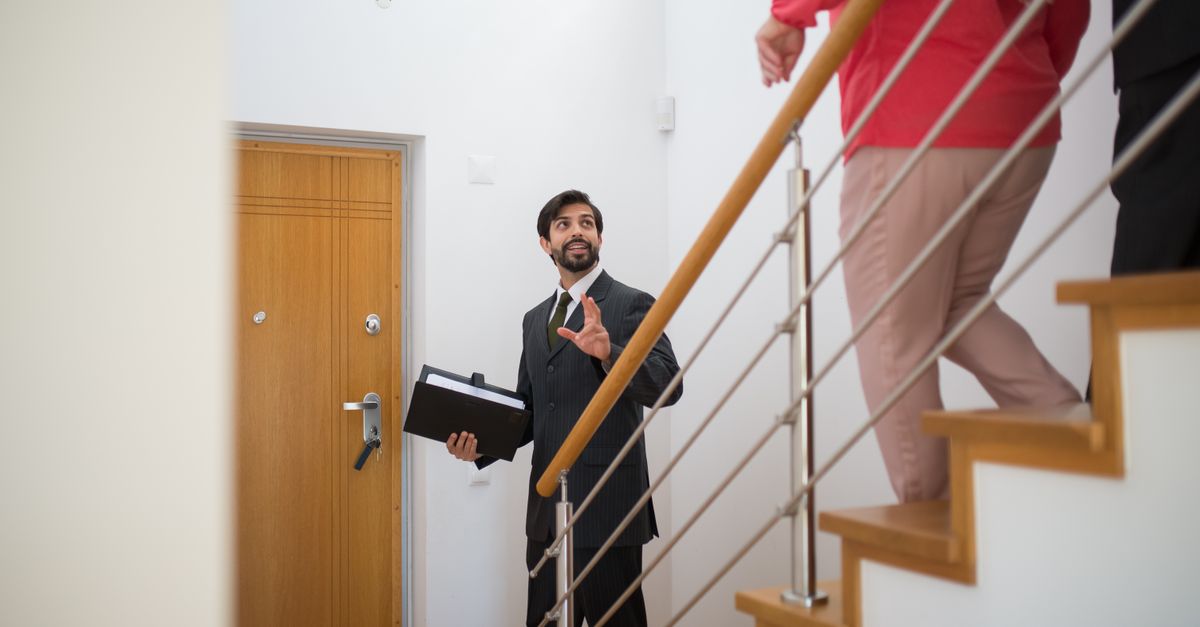
Every Sunday afternoon, top-producing real estate teams host open houses with the goal of turning neighborhood foot traffic into active buyer consultations and listing presentations. Yet by Sunday evening, the same frustrating routine unfolds. The sign-in pad on the kitchen island contains illegible handwriting, incomplete phone numbers, and partial email addresses. The hosting agent packs up the signs, heads home exhausted, and resolves to manually type those contacts into the CRM early the following week. By the time that manual outreach occurs, the most qualified prospects have already toured several competing listings and connected with responsive agents elsewhere. Incorporating Real Estate AI into your weekend workflow completely eliminates this latency, ensuring every visitor experiences immediate, white-glove follow-up while your agents focus on building personal relationships.
The Quiet Failure of the Traditional Open House Process
For many brokerages, the standard open house process is plagued by manual friction and missed opportunities long before the front door opens. Marketing efforts are frequently rushed, relying on a single late-week announcement rather than a structured multi-channel campaign. Listing data and showing instructions are often updated manually across consumer portals rather than synchronized directly through a central mls management system, leading to conflicting details about property access or pricing.
Once guests arrive, paper sign-in sheets create a major bottleneck. Agents must juggle conversations while trying to ensure visitors write down valid details. Illegible notes mean valuable prospects are lost forever. Even worse, the follow-up process is severely delayed. Industry data underscores how widespread delayed communication used to be across the sector; "in a 2014 WAV Group study the average agent response time to a buyer inquiry was 917 minutes". When a motivated prospect spends days waiting for additional property photos, HOA documents, or neighborhood utility averages, their initial excitement cools off quickly.
This systemic delay carries a high financial cost for growing teams. When you consider that "the typical agent reported 10 transactions in 2024", losing just two or three high-intent buyers every quarter due to sluggish post-event outreach drastically shrinks an agent's annual production and net earnings.
Deploying Real Estate AI to Automate Open House Workflows
An AI employee changes the entire shape of weekend operations by taking complete ownership of the promotion, registration, and post-event nurture lifecycle.
The workflow begins days before the event. Your AI assistant coordinates promotional timelines automatically. Instead of forcing staff to manually configure disconnected social media marketing software, the AI drafts property-specific posts, generates digital flyers, and deploys targeted local announcements to past clients and neighborhood contacts.
During the event, paper pads are replaced by a sleek digital registration flow on a tablet or smartphone via QR code. As visitors check in, the AI assistant captures clean contact details, pre-qualifies their buying timeline and financing status, and instantly logs a complete record in your CRM. If a high-net-worth buyer or an active seller checks in, the agent receives a discrete notification on their phone right on the showing floor.
Shortly after closing the front door, the AI automatically sends customized follow-up messages tailored to each guest's stated preferences. Visitors who expressed interest in local floor plans receive digital documents immediately. Buyers looking for specific price points receive a curated list of comparable active listings, while neighborhood residents who visited out of curiosity are enrolled in a soft market-update nurture campaign.
Building a Predictable Buyer Pipeline
By offloading repetitive administrative tasks to an AI workforce, brokerages replace chaotic weekend scrambles with a disciplined, predictable growth model. This structural evolution mirrors operational breakthroughs across other professional service industries, such as [marketing agency AI workflows](/blog/marketing-agency-ai-workflows-eliminating-morning-client-meeting-prep-chaos), where automated preparation completely removes early morning meeting prep friction.
Similarly, brokerages that oversee residential leasing or commercial assets can apply these same automated intake principles to streamline client communications, parallel to the approaches detailed in our analysis of [property management rent collection strategies](/blog/ai-receptionist-for-property-management-softening-the-rent-collection-chase).
When your open house pipeline is managed by intelligent automation, no lead falls through the cracks, no handwriting requires decoding, and every prospective client receives an instant response. The result is a sharper competitive edge, higher lead conversion, and more closed deals every single month.
Every call answered — even the ones you can't take.
I'm Sterling, the Real Estate ambassador here. The calls this article is about are the ones that decide whether a real estate business grows: the one that rings while you're with a customer, the one after close. The AI Front Desk answers them in your name, books the appointment, and hands you the details. Leave your email and I'll send you the setup link and a two-minute walkthrough — try it before you pay.
Sterling replies from real-estate@agentworksstudio.com. One email with the link — no list, no drip, unless you ask for the weekly letter. Or go straight there →