Preventive Maintenance Scheduling for Manufacturing: Stopping Line Chaos

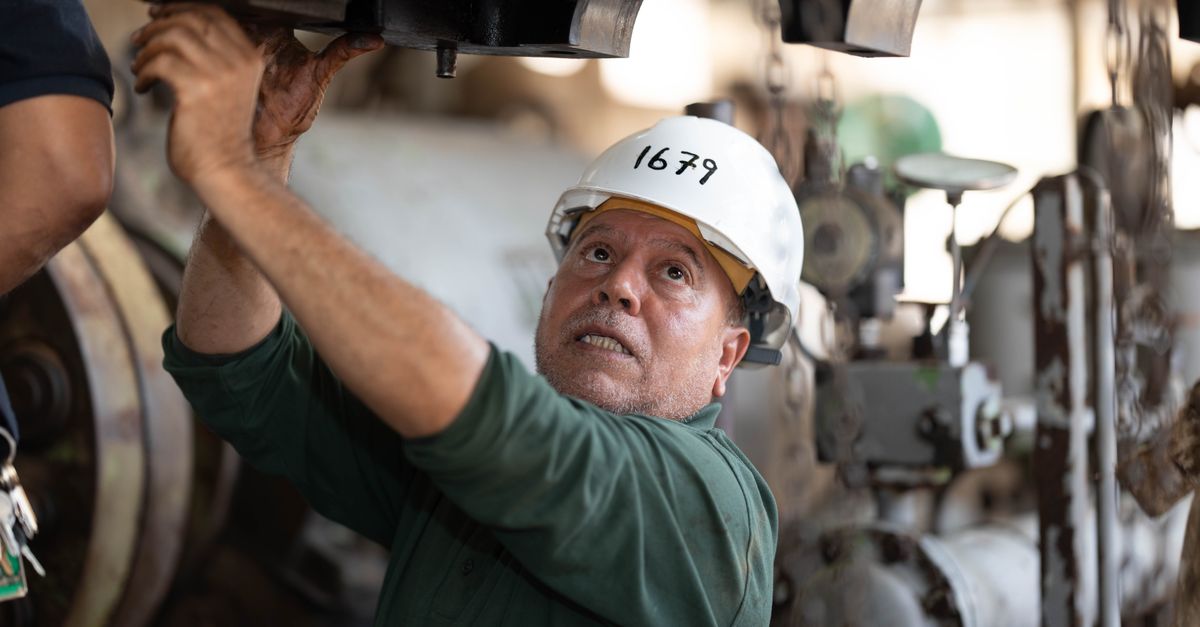
On a busy shop floor, production velocity and machine health exist in constant tension. Plant managers and operations directors know that Preventive Maintenance Scheduling for Manufacturing is essential for keeping high-precision equipment operating reliably. Yet, when customer demand surges and job queues fill up, routine equipment servicing is frequently pushed aside to hit short-term shift targets. Critical preventive maintenance tasks get delayed, erased from scheduling whiteboards, or recorded on loose paper travelers, leaving critical assets vulnerable to sudden breakdown.
When asset servicing schedules live independently from master production schedules, factory operations suffer quiet, compounding losses. Deferring a scheduled spindle rebuild, motor alignment, or fluid change might preserve a few hours of production today, but it invites massive unscheduled downtime tomorrow. Work orders stall halfway through production runs, shift handoffs turn into tense troubleshooting meetings, and delivery promises begin to slip across multiple departments.
Why Preventive Maintenance Scheduling for Manufacturing Belongs in the Master Schedule
Legacy shop floor scheduling tools treat machine capacity as an uninterrupted resource that only stops during product changeovers. In actual production environments, realistic capacity planning requires treating preventive equipment maintenance with the exact same priority as high-priority customer jobs. When machinery servicing plans reside in disconnected spreadsheets or isolated maintenance logs, production planners build master schedules on risky assumptions.
Deploying intelligent AI assistants directly onto the factory floor fundamentally transforms this dynamic. By continuously monitoring machine runtime hours directly from equipment logs and cross-referencing that data with active work orders, automated systems identify servicing needs long before components reach their failure thresholds. Rather than suffering an unexpected line stoppage during a heavy production run, the system automatically weaves servicing windows into scheduled changeovers or lower-volume shifts. This proactive alignment keeps overall equipment effectiveness high while maintaining smooth throughput across every active work center.
Aligning Work Order Management and Maintenance Coordination
Optimizing daily shop floor execution requires connecting production tracking with active equipment care. When machine servicing is tied directly into work order management, maintenance technicians receive detailed task checklists before an asset shows operational wear. The digital assistant verifies spare parts availability in the central tool crib, confirms technician availability, and pauses work order release on impacted work centers until maintenance tasks are fully completed and verified.
This structured coordination eliminates the frantic chaos that occurs when a primary asset breaks down unexpectedly mid-shift. Instead of paying premium rates for expedited shipping on emergency replacement parts or reallocating operators on short notice, purchasing and inventory teams maintain steady inventory levels. Material staging and dock flow run predictably across the facility, mirroring how modern logistics operations organize receiving processes in [How to Automate Logistics Receiving Docks](/blog/how-to-automate-logistics-receiving-and-dock-scheduling).
Integrating Secondary Workflows Across the Shop Floor
Beyond machine upkeep, effective shop floor management relies on tight integration between material availability, capacity constraints, and job priorities. Incorporating intelligent tools for ai for manufacturing enables plant leadership to visualize real-time operational bottlenecks weeks before they impact output. When rush orders enter the queue, the system models the operational impact on active jobs and maintenance windows, allowing planners to adjust production sequences without sacrificing machine health.
Furthermore, streamlining capacity planning manufacturing ensures that machine availability matches actual labor and material constraints. By linking asset maintenance directly with work order management manufacturing, supervisors prevent releasing jobs to machines that are due for service. Operators spend less time writing downtime codes on paper travelers and more time running parts, ensuring that actual production counts match perpetual inventory in the plant management system.
Autonomous Oversight and Audit Readiness
When an autonomous AI agent handles maintenance planning, preventive maintenance compliance stays consistently high across all shifts. The agent monitors asset telemetry, generates recurring work orders, coordinates servicing windows within the master schedule, and escalates deferred maintenance before operational risk increases. If a sudden order surge forces a temporary schedule shift, the agent recalculates the queue and clearly highlights operational trade-offs for plant leadership.
Beyond preventing unscheduled line stoppages, automated tracking maintains continuous audit readiness for quality standards and regulatory compliance. Complete service histories, calibration records, and routine inspection reports are captured automatically at the point of work. Operations leaders maintain complete documentation trails, helping facilities satisfy stringent operational standards much like teams following an [AI for Government Contracting Compliance: A Vendor Checklist](/blog/ai-for-government-contracting-a-checklist-for-vendor-compliance).
By embedding maintenance timing into master production schedules, manufacturers eliminate the heavy costs of reactive machinery failure. Plant managers transition from continuous firefighting to running predictable, high-yield operations where lines stay running and customer commitments are met without exception.
Get the next one for manufacturing in your inbox.
I'm Diane, the Manufacturing ambassador here. One useful piece a week for manufacturing owners, written for how the work actually happens — plus first access to the free EngageSuite360 CRM built for manufacturing. Unsubscribe any time.
Diane replies from manufacturing@agentworksstudio.com. One email with the link — no list, no drip, unless you ask for the weekly letter. Or go straight there →