How to Automate Logistics Dock Scheduling to Stop Detention

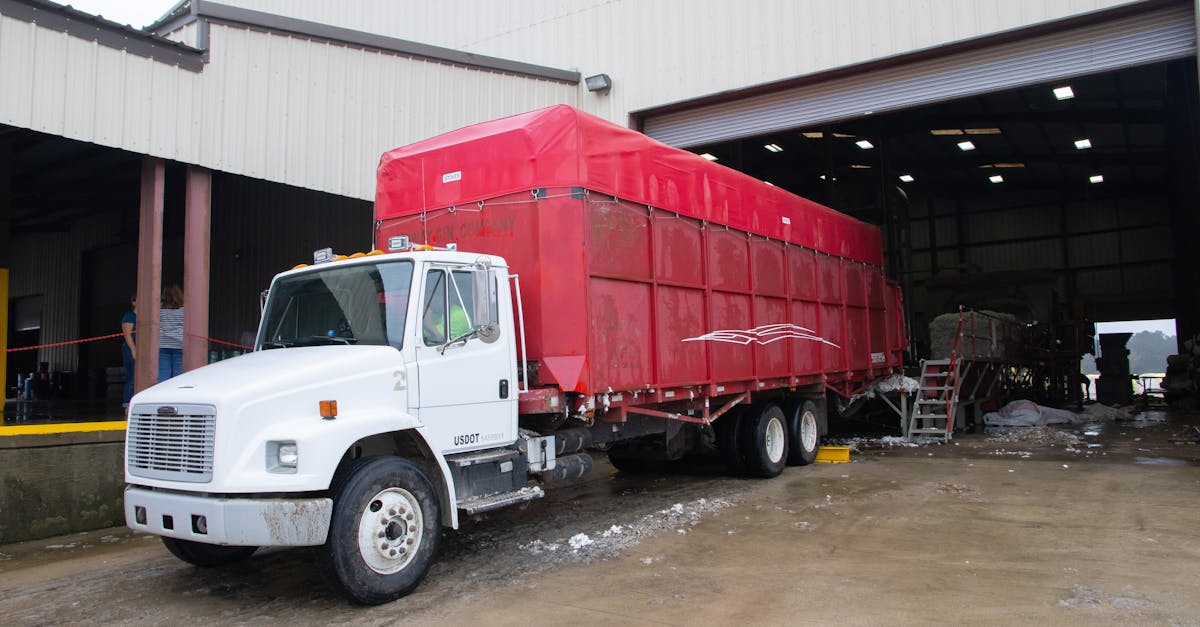
If you run a warehouse, terminal, or dispatch office, you know the exact sound of a freight yard turning into chaos. It starts when two haulers pull up to the same bay door at once while another dock door sits completely empty. When warehouse directors ask how to automate logistics dock scheduling, they are usually trying to stop a steady stream of detention penalties, missed outbound departure windows, and frustrating escalations from key Shipper Accounts.
The daily dock bottleneck is one of the quietest margin killers in modern freight operations. It does not look like a massive crisis on company balance sheets; instead, it shows up as a series of minor friction points scattered across a standard workday that quietly drain staff energy and inflate operational costs.
The Quiet Cost of Whiteboard Door Scheduling
In many distribution facilities, dock scheduling remains a whiteboard exercise or a static spreadsheet updated manually by a busy floor supervisor. When a carrier arrives early or runs late due to severe highway congestion, that rigid paper schedule breaks down immediately.
When trailers stack up at the front gate without confirmed appointments, drivers burn valuable hours waiting for an open door. Carriers rightfully pass those idle hours along through steep detention fees. Meanwhile, warehouse associates stand waiting at assigned packing stations for freight that remains trapped inside trailers parked in the yard.
Legacy administrative systems or basic freight claims management software handle disputes long after financial damage is already done, but they do not solve the real-time yard congestion that causes those disputes in the first place.
When dispatchers spend hours making individual phone calls to verify trailer numbers, confirm revised arrival times, or re-enter freight Quotes, dock managers lose visibility over incoming staging areas. Floor supervisors end up pulling workers off outbound picking lines to clear unexpected inbound shipments, throwing off the entire shift schedule and delaying outbound departures.
How to Automate Logistics Dock Scheduling
An AI employee changes this operational dynamic completely by acting as a continuous dock coordinator across every shift. Instead of relying on manual check-ins and delayed phone calls, the system connects directly to incoming carrier updates, electronic tracking feeds, and warehouse management tools.
Deploying ai for logistics companies transforms dock scheduling from a passive calendar into an active routing engine. When a carrier flags a delay or an early arrival, the AI coordinator immediately evaluates door availability, labor capacity on the floor, and shipment priority.
Whether your facility processes standard retail freight or specialized industrial goods where warehouse staff know how to automate logistic science pack movements through multi-stage staging areas, automated door balancing keeps receiving bays moving smoothly.
The system handles core tasks automatically throughout the day:
- Automated Door Reassignment: Detects late or early arrivals from driver location updates and reassigns open bay doors before congestion forms at the gate.
- Proactive Notification: Updates carrier Contacts and dispatchers with revised door assignments and staging directions prior to gate entry.
- Accessorial Prevention: Tracks driver detention clock thresholds in real time to ensure trailers are unloaded before penalty windows begin.
- Load Prioritization: Cross-references incoming Loads against urgent outbound customer orders to direct high-priority freight to immediate cross-dock lanes.
Just as structured automation simplifies complex tasks in [IT vulnerability triage workflows](/blog/it-services-ai-for-vulnerability-triage-stopping-the-spreadsheet-audit-scramble) or removes administrative friction in [healthcare refill operations](/blog/ai-for-healthcare-resolving-the-prescription-refill-bottleneck), intelligent dock coordination frees warehouse teams from perpetual firefighting.
Protecting Shipper Relationships and Yard Margins
When dock door management runs on real-time intelligence, the downstream impact touches every part of the fulfillment operation. Carriers prefer hauling freight for facilities where turnaround times are swift and predictable. That operational reliability helps dispatchers negotiate better contract rates and secure committed capacity when spot market conditions tighten.
More importantly, your team stops paying penalties for problems created by poor coordination. Instead of spending Friday afternoon reviewing driver detention claims and arguing over manual timestamp records, your operations lead starts the morning with a balanced yard schedule, clear dock visibility, and steady throughput.
Automating your dock workflow is not about replacing human judgment on the warehouse floor. It is about equipping your warehouse manager with a dependable digital team member who tracks every trailer, adjusts to every delay, and keeps your fulfillment engine running on time.
Get the next one for logistics in your inbox.
I'm Rusty, the Logistics ambassador here. One useful piece a week for logistics owners, written for how the work actually happens — plus first access to the free EngageSuite360 CRM built for logistics. Unsubscribe any time.
Rusty replies from logistics@agentworksstudio.com. One email with the link — no list, no drip, unless you ask for the weekly letter. Or go straight there →