Catching Shipment Exceptions Before Your Customers Call

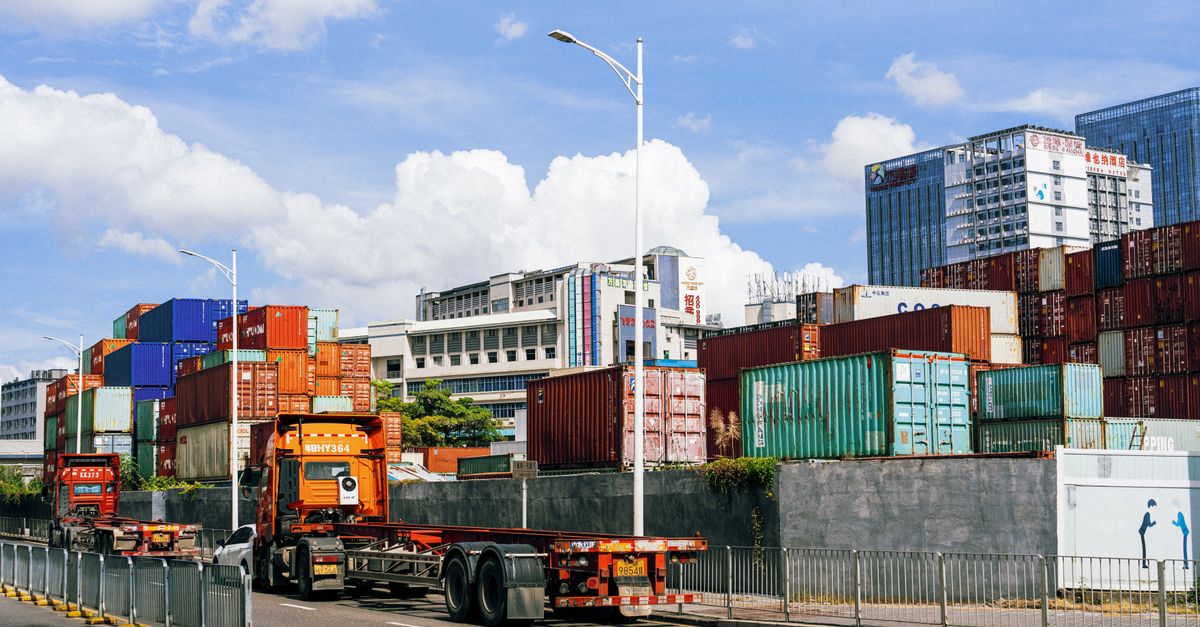
In the freight business, nothing ruins a morning faster than an incoming phone call from a key account asking where their delivery is. You log into carrier portals, check dispatch records, and realize a trailer was delayed early in the morning. By the time your dispatch team learns about the disruption, the customer has already lost faith in your delivery commitments.
For many logistics providers and third-party fulfillment operations, managing shipment exceptions is a constant firefight. Instead of focusing on strategic carrier selection, lane rate benchmarking, or warehouse space optimization, operational staff spend their mornings making frantic phone calls to dispatchers, searching carrier tracking systems, and apologizing to upset clients. This reactive cycle wears down team morale and quietly drains operational capacity across every single shift.
The Reality of Disruption Firefighting in Daily Freight Operations
In a typical dispatch office, exceptions are discovered late because operational visibility is fragmented across separate software platforms. Carrier status updates arrive through disparate email threads, portal messages, driver mobile applications, and manual phone calls. Without a single automated point of coordination, dispatchers only notice a delayed load when an angry customer reaches out demanding answers.
When an exception hits, the manual recovery effort begins. A fulfillment coordinator must manually inspect each affected order, cross-reference part numbers against customer delivery schedules, and make individual phone calls to regional carriers to secure alternate equipment. Because root cause analysis is routinely skipped under daily volume pressure, recurring issues on specific lanes or with repeat carriers go completely unaddressed.
This daily operational friction impacts logistics operations far beyond customer service departments. Just as operational teams in technical sectors struggle with ticket triage backlogs, as detailed in our guide on [ending the helpdesk firefight](/blog/ending-the-helpdesk-firefight-how-ai-ticket-triage-protects-technical-capacity), logistics coordinators face continuous context-switching that destroys daily operational productivity.
The Silent Costs of Delayed Exception Detection Across the Supply Chain
Late disruption management carries severe operational penalties throughout the entire supply chain network. When a delayed trailer goes unnoticed, warehouse receiving teams face sudden dock door congestion when late trucks arrive unannounced. Receiving staff sit idle during scheduled appointment windows, only to work expensive overtime later in the shift when late freight finally hits the floor.
Furthermore, manual exception resolution lacks systematic tracking for accessorial charges and carrier service failures. When a carrier fails to meet a scheduled pickup window or missed delivery deadline, coordinators rarely document the exact root cause or capture detention records consistently. Over time, poor carrier performance remains hidden behind anecdotal stories rather than clear scorecard data. Contract loads continue to be assigned to underperforming carriers simply because nobody has the bandwidth to pull comprehensive performance metrics across multiple systems.
Similar administrative friction occurs across back-office workflows in other complex industries. For instance, administrative bottlenecks in medical practices delay vital operational approvals, as explored in our article on [streamlining prior authorization management](/blog/solving-the-prior-authorization-bottleneck-in-healthcare-operations). In logistics and supply chain management, unmanaged operational delays lead directly to canceled accounts, eroded shipping margins, and lost market trust.
How AI Employees Automate Exception Resolution and Protect Margin
Integrating an AI employee into your warehouse and dispatch workflows fundamentally changes how shipment disruptions are resolved. Rather than waiting for human review or customer complaints, an AI agent continuously monitors active carrier data feeds and tracking milestones in real time across all shipping modes.
When a carrier flags a delayed trailer in the early morning hours, the AI employee spots the exception instantly. It identifies every affected customer order, calculates revised estimated times of arrival, and evaluates alternate carrier options across contract and spot markets. Priority shipments can be re-rated and rerouted to alternate carriers before warehouse operations or customer delivery schedules suffer.
Crucially, the AI employee initiates customer communications before anyone has to call. Proactive delay notifications with revised arrival windows and tracking updates are sent directly to customer representatives, turning a potential service failure into a clear demonstration of operational reliability and control.
Reclaiming Operational Predictability in Freight Management
When the warehouse manager arrives for the morning shift start, the AI employee presents a complete recovery plan alongside updated delivery statuses. Root causes are categorized and logged into exception cases automatically, feeding directly into carrier performance scorecards without requiring manual data entry.
By shifting from reactive firefighting to automated exception resolution, logistics operators eliminate the manual phone calls and portal hopping that consume their team's day. Operations managers gain full visibility over active shipments, dispatchers focus on high-value carrier coordination, and customers receive transparent updates before disruptions impact their business. Replacing manual handoffs with real-time AI exception workflows restores control to your fulfillment operations and protects profitability on every lane.