AI for Automotive Technicians: Clearing Parts Bottlenecks

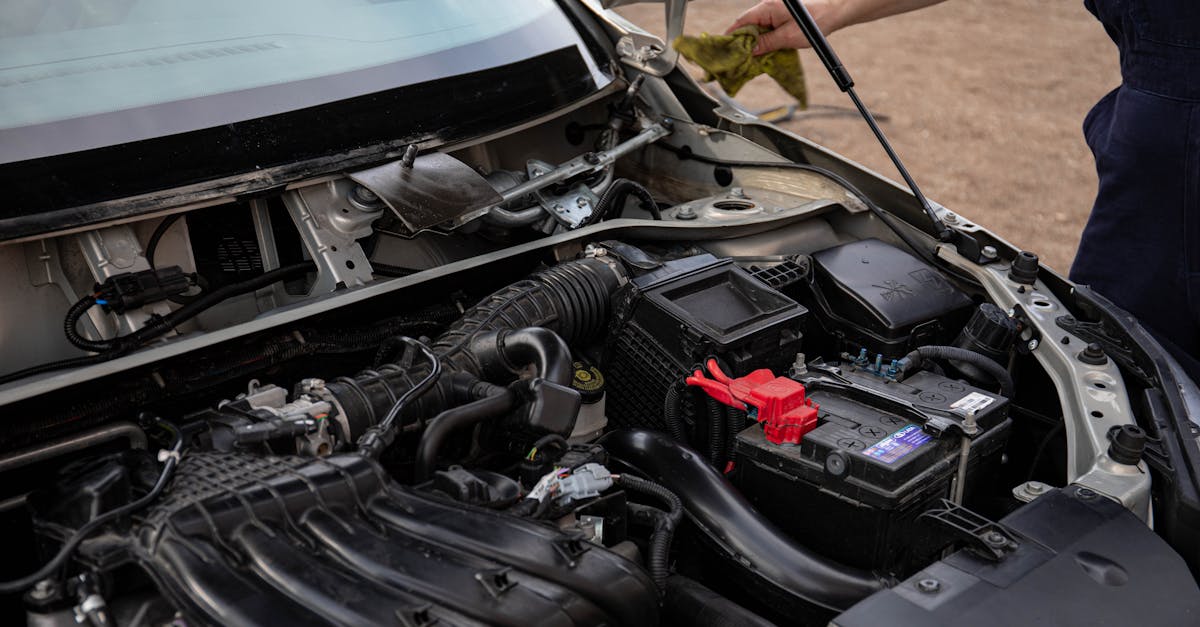
Why AI for Automotive Technicians Begins in Fixed Operations
When a service bay sits stalled waiting on an unverified component, shop capacity takes an immediate hit. Bridging the gap between inventory tracking and service drive scheduling requires smart tools. Implementing AI for Automotive Technicians and fixed ops staff changes how components flow from the back counter straight to the open repair order.
In most repair shops and dealerships, parts stocking decisions are driven by gut feel rather than system alerts. Special orders arrive daily, but because nobody notifies the customer or the advisor immediately, those boxes sit on shelves while open repair orders languish. Meanwhile, backordered items stall active repairs without clear visibility, leading to frustrated vehicle owners and idle shop bays. Whether a vehicle is in for engine diagnostics or specialized automotive air conditioning repair, missing components bring shop productivity to a full stop.
The Quiet Cost of Untracked Parts and Delayed Alerts
The daily grind in fixed operations involves constant juggling. Service advisors write tickets, answer customer calls, and check stock levels. When special order deliveries arrive, parts managers must unpack shipments, cross-reference invoices, and manually notify service advisors. Because staff are busy managing foot traffic, those notification phone calls often get postponed.
When communication falls apart, the service advisor gets overwhelmed by phone inquiries from customers asking for status updates. In many shops, the service advisor's real daily tasks start resembling an overworked automotive receptionist job description instead of focused revenue generation. When advisors spend their morning tracking down status updates across departments, they miss opportunities to review multipoint inspections or explain recommended maintenance to vehicle owners on the service drive.
Furthermore, dead inventory accumulates quietly. Uncollected special orders end up sitting on shelf corners until they are forgotten, tying up vital cash flow. Systemic phase-in and phase-out criteria are rarely applied manually, which leads to stock-outs of fast-moving items alongside piles of dust-covered stock. Just as businesses in other sectors struggle with reconciliation delays—much like what occurs with manual balance matching detailed in this guide on [AI for Accounting: Ending the Friction of Bank Reconciliation](/blog/ai-for-accounting-ending-the-friction-of-bank-reconciliation)—fixed ops departments suffer when data sits in silos instead of triggering instant action.
Transforming the Parts Counter into a Digital Advantage
When you deploy a digital assistant dedicated to parts and service coordination, the entire rhythm of the shop shifts from reactive fire-fighting to smooth orchestration.
An AI employee monitors active inventory and incoming deliveries continuously. The moment a backordered part arrives at the receiving door, the system logs the component into your database, matches it to the corresponding open repair order, and alerts the advisor and customer via text message. The customer receives an immediate option to confirm their appointment slot, while the technician gets notified that the job is ready for completion.
This level of connectivity ensures that special orders do not collect dust on back shelves. By automating reorder points based on seasonal demand history, the platform applies consistent inventory rules without requiring manual oversight. Just as modern hospitality venues prevent reservation gaps using automated tools, as highlighted in this look at [fixing the host stand scramble and stopping reservation leaks](/blog/fixing-the-host-stand-scramble-how-ai-stops-reservation-leaks), automotive service lanes can eliminate idle bay time by keeping parts moving smoothly.
Understanding the difference between automotive and automation comes down to practical execution: technology should handle logistics and communication so skilled technicians can focus on wrenching.
Keeping Service Bays Moving and Customers Returning
Automating the notification loop between the parts counter, service drive, and vehicle owner turns fixed operations into a predictable profit center. Advisors regain time to walk the drive, connect with customers, and explain inspection findings clearly. Technicians spend their shifts completing repair orders instead of waiting at the counter for status checks.
When parts inventory is synchronized with active service scheduling, your shop reduces rack delays, eliminates forgotten special orders, and keeps work moving without administrative friction.
Every call answered — even the ones you can't take.
I'm Buck, the Automotive ambassador here. The calls this article is about are the ones that decide whether a automotive business grows: the one that rings while you're with a customer, the one after close. The AI Front Desk answers them in your name, books the appointment, and hands you the details. Leave your email and I'll send you the setup link and a two-minute walkthrough — try it before you pay.
Buck replies from automotive@agentworksstudio.com. One email with the link — no list, no drip, unless you ask for the weekly letter. Or go straight there →