AI Receptionist for Veterinary Clinics: Streamlining Lab Follow-Up
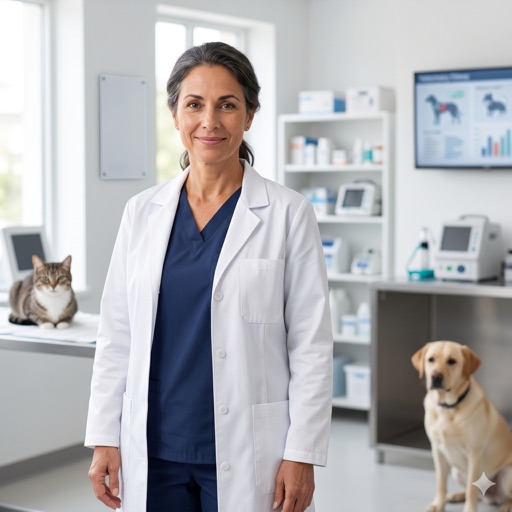

As veterinary professionals, we all recognize that anxious moment when a pet owner calls the front desk asking if their dog's bloodwork has returned. The diagnostic results arrived in the practice management system earlier in the day, but the clinical team has not had a single quiet minute between surgical procedures and walk-in cases to review the chart and place the call. Managing these diagnostic communications alongside urgent medical care creates daily friction for staff and lingering worry for pet parents. Deploying an AI receptionist for veterinary clinics transforms this common bottleneck by connecting laboratory data directly with clear, empathetic client updates.
The Unspoken Friction of Delayed Diagnostic Updates
In a bustling clinic, laboratory samples move continuously from treatment rooms to reference labs and back. When results land in the practice management system, they often wait in an unreviewed queue. Veterinary technicians fully intend to call households with updates, but emergency cases and urgent treatment room tasks pull them away. Front desk staff take continuous incoming calls from concerned owners asking for diagnostic updates, leaving receptionists scrambling to check chart statuses while checking out patients in the lobby.
Traditional veterinary answering services can record messages, but they lack direct visibility into clinical records or patient history. They cannot tell a worried pet parent whether fecal tests, blood panels, or histopathology reports are still pending or already signed off by the attending doctor. This communication gap leaves routine client inquiries hanging, driving up phone volume and increasing stress for everyone working behind the counter.
How an AI Receptionist for Veterinary Clinics Improves Lab Follow-Up
When diagnostic monitoring runs seamlessly, patient outcomes and client satisfaction improve dramatically. An intelligent agent works continuously in the background, monitoring incoming lab feeds and categorizing them based on clinical status. Normal wellness screening results are flagged for rapid doctor approval, allowing automated, warm updates to reach pet parents shortly after authorization.
When practice managers explain how to prepare for a veterinary receptionist interview, they consistently emphasize that clear communication and emotional intelligence are essential skills. Yet when front desk staff spend hours playing phone tag for routine lab confirmations, their energy for meaningful human connection drains away. Automated lab communication frees team members from repetitive outreach so they can focus on in-person client care, calming nervous pets, and supporting worried owners in the lobby.
Bridging Clinical Data with Compassionate Client Inquiries
Diagnostic care does not end when test results are reviewed; it requires clear next steps for the pet parent. When coupled with clinical record tools like veterinary ai scribe software that capture exam room dictation during patient visits, digital workforce assistants maintain a complete picture of each patient's ongoing treatment plan. If a diagnostic report indicates the need for follow-up bloodwork, medication adjustments, or a specialized diet, the automated system can prompt the pet owner to schedule a recheck appointment without waiting for a manual reminder.
This systematic approach mirrors structured workflows in other high-touch industries where timing and accuracy dictate trust. For example, maintaining proactive communication tracks protects client relationships, much like how automated feedback loops resolve friction detailed in [How Marketing Agency AI Fixes Broken Creative Review Cycles](/blog/how-marketing-agency-ai-fixes-broken-creative-review-cycles). Similarly, eliminating communication gaps keeps client engagement strong and prevents critical care milestones from slipping through, a core principle explored in [AI for Recruiting: Protecting Placements During the Post-Offer Gap](/blog/ai-for-recruiting-protecting-placements-during-the-post-offer-gap).
Restoring Balance to Daily Practice Workflows
When routine lab follow-ups are automated, the daily rhythm across the entire clinic shifts. Veterinarians spend less time after their shifts finishing documentation and clearing diagnostic call sheets. Technicians focus on hands-on patient care, anesthesia monitoring, and client education rather than spending their afternoons making repetitive phone calls. Pet parents receive timely, reassuring updates about their companion animals, building deep trust with the clinical team.
By handling routine client inquiries and diagnostic notifications with speed and compassion, practices create a sustainable working environment. Team members leave work on time, patients receive proactive follow-up care, and pet owners feel fully supported throughout every stage of their pet's health journey.
Every call answered — even the ones you can't take.
I'm Dr. Hailey, the Veterinary ambassador here. The calls this article is about are the ones that decide whether a veterinary business grows: the one that rings while you're with a customer, the one after close. The AI Front Desk answers them in your name, books the appointment, and hands you the details. Leave your email and I'll send you the setup link and a two-minute walkthrough — try it before you pay.
Dr. Hailey replies from veterinary@agentworksstudio.com. One email with the link — no list, no drip, unless you ask for the weekly letter. Or go straight there →