Stopping Silent Client Drift: How AI Rebooking Keeps Salon Chairs Full

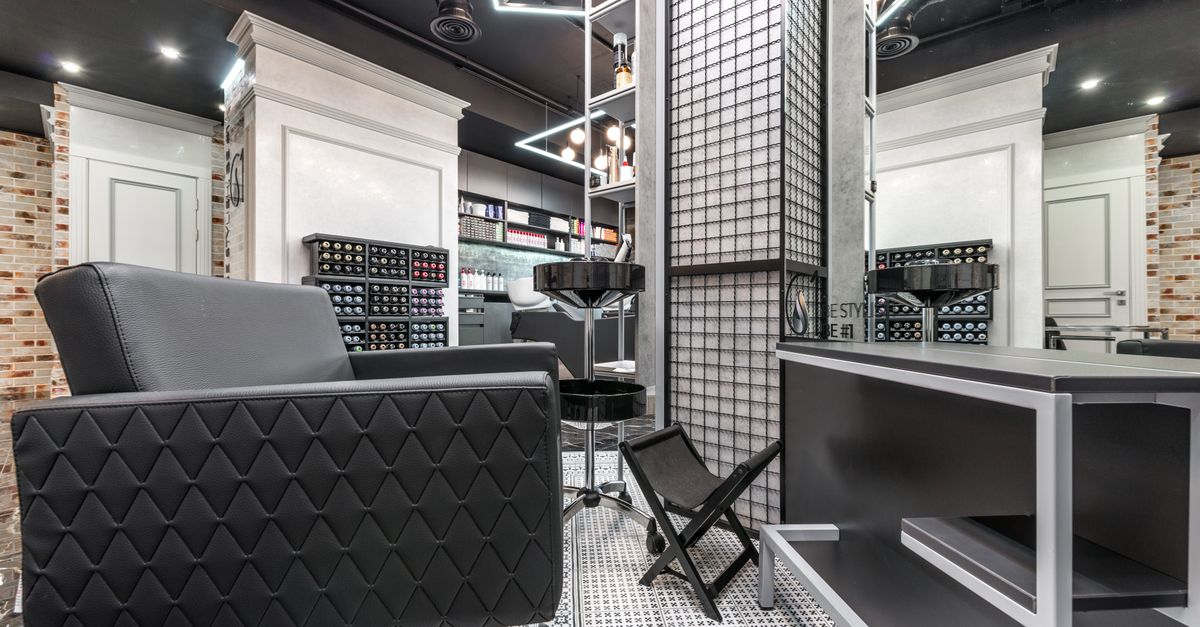
Every salon owner knows the feeling. A guest sits in your chair, gets a gorgeous fresh color and custom cut, tells you how much they love their hair, and walks out the door with a huge smile. But as they check out, the front desk is busy answering a ringing phone, handing a product to another guest, or scheduling a complex multi-service appointment. Rebooking in that fast-paced moment slips through the cracks. The guest says they will check their calendar at home and book online later.
Then life happens. Work gets busy, family commitments stack up, and several weeks pass in a blur. Before anyone realizes it, months have passed since their last visit. They have not intentionally left your studio; they simply drifted away. Without a systematic nudge, silent client drift takes hold, leaving empty gaps in your appointment book and forcing stylists to wait on unpredictable walk-ins or late bookings.
The Hidden Cost of Silent Client Drift
When guests miss their normal visit cycle, the impact on chair utilization is severe. Your team works tirelessly to attract new clients through social media transformation posts and local search listings, yet existing clients quietly slip out the back door. Losing a repeat client means your team has to work twice as hard to fill that chair with a new intake, which requires dedicated consultations, patch tests, and formula setup.
In addition, late cancellations and unscheduled gaps create an erratic workday for stylists. When a chair stays empty during a peak afternoon, that time is gone forever. Front desk managers often attempt to bridge these gaps manually by texting past clients from personal phones or posting quick stories on social channels hoping someone snatches the opening. But manual follow-ups are inconsistent and time-consuming. When your front desk staff is already balancing greeting walk-ins, answering inquiries, and managing back bar stock, keeping track of overdue clients across several stylist books is nearly impossible.
This pattern of missed rebookings is not unique to beauty businesses. Across industries that rely on client scheduling, delay creates revenue leakage. Whether it is a dealership suffering from [delayed lead follow-up on the sales floor](/blog/the-silent-profit-killer-on-your-showroom-floor-how-delayed-lead-follow-up-bleeds-dealership-revenue) or a real estate team [losing qualified inquiries during property showings](/blog/stop-losing-real-estate-leads-to-delayed-follow-up-while-in-showings), failing to connect with clients at the precise moment of intent drains business growth. In a salon, where rebooking rate directly dictates ticket averages and retail attach opportunities, letting retention depend on manual memory is a massive operational vulnerability.
Why Checkout Rebooking Fails Under Pressure
The checkout desk is the busiest intersection in your salon. In an ideal world, every front desk coordinator prompts every client to book their next appointment before paying. But peak salon hours rarely offer ideal conditions. When multiple guests finish their processing at the exact same time, checkout becomes an exercise in speed rather than strategy.
When coordinators rush, rebooking prompts get skipped. Furthermore, clients often feel hesitant to commit to an exact date weeks in advance when standing in a crowded lobby. They promise to book online when they get home, but once they leave your space, your salon drops to the bottom of their daily to-do list.
Without automated tracking, your software might flag that a client is overdue, but nobody has the bandwidth to send a personalized message offering specific openings with their favorite stylist. The result is predictable: rebooking rates drop, chair utilization falls, and your stylists spend unpaid downtime sitting in empty chairs waiting for their next guest.
How an AI Rebooking Specialist Changes the Work
Deploying an AI employee designed for beauty studios transforms client retention from a manual scramble into an automated, continuous workflow. Working directly within your booking software—whether you use Vagaro, Square Appointments, or integrated calendars—an AI rebooking specialist monitors client visit intervals behind the scenes.
Instead of relying on staff to comb through client records, the AI identifies when a guest is approaching the end of their typical service window. It automatically initiates a warm, personalized outreach message via text or email on behalf of their preferred stylist.
The communication feels entirely natural and tailored. The AI references their previous service—such as a gloss touch-up or full highlight—and suggests open time slots based on their stylist's real-time schedule. If the guest responds asking for a different day or time, the AI checks qualified availability, confirms the reservation instantly, updates your booking system, and sends confirmation details. If a client texts late at night to reschedule or fill a sudden gap, the AI handles the request seamlessly, ensuring your book remains optimized around the clock.
Protecting Your Chairs and Boosting Loyalty
Automating your rebooking workflow delivers immediate operational relief to your team and studio. Front desk staff can focus entirely on delivering exceptional in-salon hospitality, welcoming guests, and guiding retail product selections without feeling pressed to execute manual phone outreach.
Stylists enjoy predictable schedules, higher chair utilization, and consistent commission earnings. Meanwhile, your clients experience high-touch, thoughtful communication that makes them feel valued rather than forgotten. By catching client drift before it turns into permanent attrition, your studio secures its revenue baseline and builds a loyal, thriving client community.