Stopping Freight Exception Chaos Before Your Customers Call

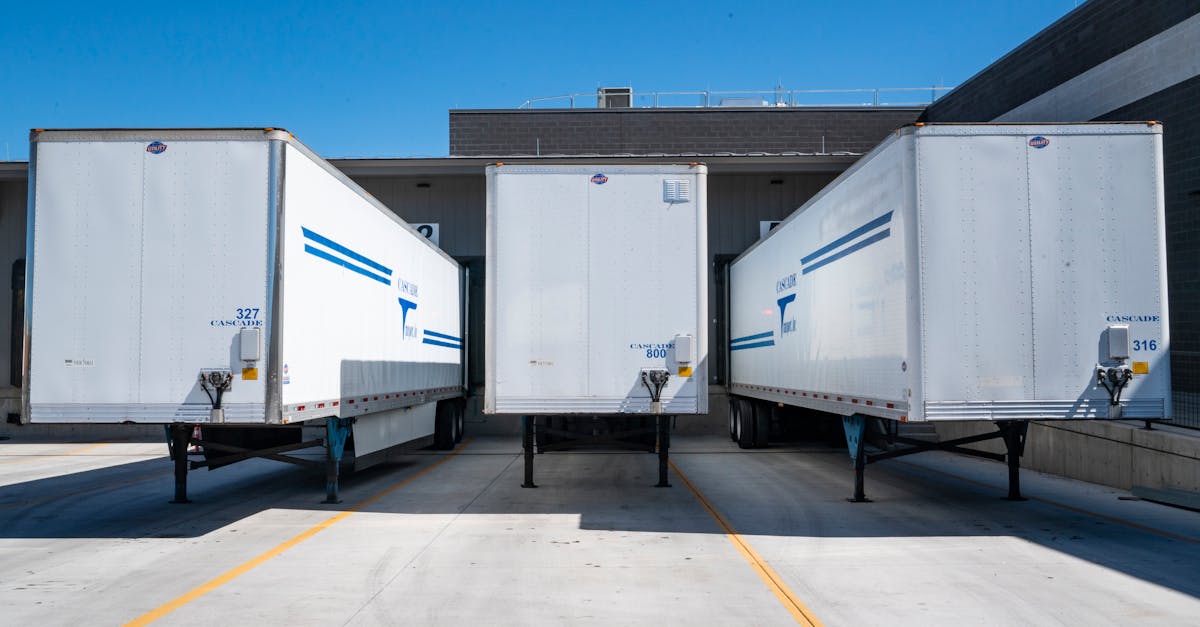
Every logistics manager knows the sound of a difficult morning. It starts with a ringing phone before your team has even grabbed their first cup of coffee. On the line is an angry client asking why their priority shipment has not hit the receiving dock. You pull up your systems, open multiple carrier portals, and realize a trailer was delayed hundreds of miles back hours ago.
The delay itself is frustrating, but the real damage comes from how you found out. When your customer becomes your tracking system, trust erodes fast. Shipment exceptions happen every day across global supply chains—weather hits, lanes back up, and equipment breaks down. But relying on human teams to manually check portals and catch every hiccup turns your operations floor into a permanent fire station.
The Quiet Cost of Reactive Freight Exceptions
In traditional logistics workflows, tracking information lives scattered across disparate carrier platforms, broker emails, and driver updates. Dispatchers and customer service teams spend hours every morning logging into portals, copying tracking numbers, and hunting down status updates for shipments that might already be off schedule.
Because manual tracking takes so much time, your team can only check shipments periodically. Minor delays quietly compound into major operational failures. By the time a missed connection or broken-down truck is discovered, the window for simple rerouting has passed.
The financial and operational drain of this reactive posture touches every corner of your business:
- Wasted Operational Hours: Dispatchers spend half their shift chasing status updates and manually compiling spreadsheet reports instead of planning profitable lanes or managing carrier relationships.
- Expensive Emergency Recoveries: Finding replacement capacity at the last minute forces operations to pay premium spot rates or expedite air freight to meet delivery windows.
- Escalating Customer Friction: When shippers receive zero warning about late freight, they are left to handle line shutdowns or disappointed end-customers alone.
- Disrupted Warehouse Schedules: Inbound receiving docks face sudden labor bottlenecks or idle shifts because incoming loads arrive without updated appointments.
Managing high-volume exception queues manually presents operational challenges similar to high-volume IT support queues. Companies dealing with repetitive incoming ticket surges often look to structured digital workflows, much like strategies detailed in [Eliminating the Monday Morning Helpdesk Backlog with AI Triage](/blog/eliminating-the-monday-morning-helpdesk-backlog-with-ai-triage).
How an AI Employee Reshapes Exception Recovery
Integrating an AI workforce component directly into your warehouse management system and carrier APIs shifts your operation from reactive firefighting to automated prevention. Instead of waiting for dispatchers to click refresh on a carrier site, an AI warehouse and fulfillment coordinator monitors active freight streams continuously.
Here is how the shape of the work fundamentally changes when an AI agent handles shipment exception management:
Instant Exception Identification
When a carrier flags a delayed trailer early in the morning, the AI agent detects the tracking variance instantly. It cross-references the delayed unit against your active order database and immediately isolates every affected customer order.
Automated Carrier Rerouting
Instead of spending hours calling regional dispatchers to locate alternative capacity, the AI agent instantly queries integrated carrier rates and availability. It compares lane costs, transit times, and service levels to identify the best alternative options, generating a complete recovery plan in moments. This multi-carrier evaluation mirrors the automated rate comparison methods explored in [Overcoming the Multi-Carrier Quoting Bottleneck in Independent Agencies](/blog/overcoming-the-multi-carrier-quoting-bottleneck-in-independent-agencies-2).
Proactive Customer Communication
Before your client calls to complain, the AI agent generates precise, proactive delay notifications accompanied by revised arrival predictions. The client receives clear visibility and an updated tracking link rather than an unexpected missing delivery.
Shift-Start Action Plan
When your warehouse and logistics managers arrive at the facility, they do not spend their first hour unravelling operational messes. The AI agent presents a clean briefing containing the identified disruption, the root cause categorization, the rerouted shipments, and the pre-sent client communications.
Building Predictability Into Unpredictable Supply Chains
Freight disruptions will always be part of moving physical goods. Weather patterns change, traffic builds, and mechanical failures occur. But suffering from blindsiding disruptions is entirely optional.
By deploying digital AI employees to handle real-time tracking, exception routing, and client updates, logistics operators reclaim hours of manual labor while dramatically improving customer satisfaction. Your team moves out of constant stress and back into strategic fleet optimization, carrier negotiation, and profitable growth. Predictability returns to your logistics desk, and your customers stay informed long before they ever need to pick up the phone.