Maximizing Salon Chair Utilization: How Automated Rebooking Stops Client Drift

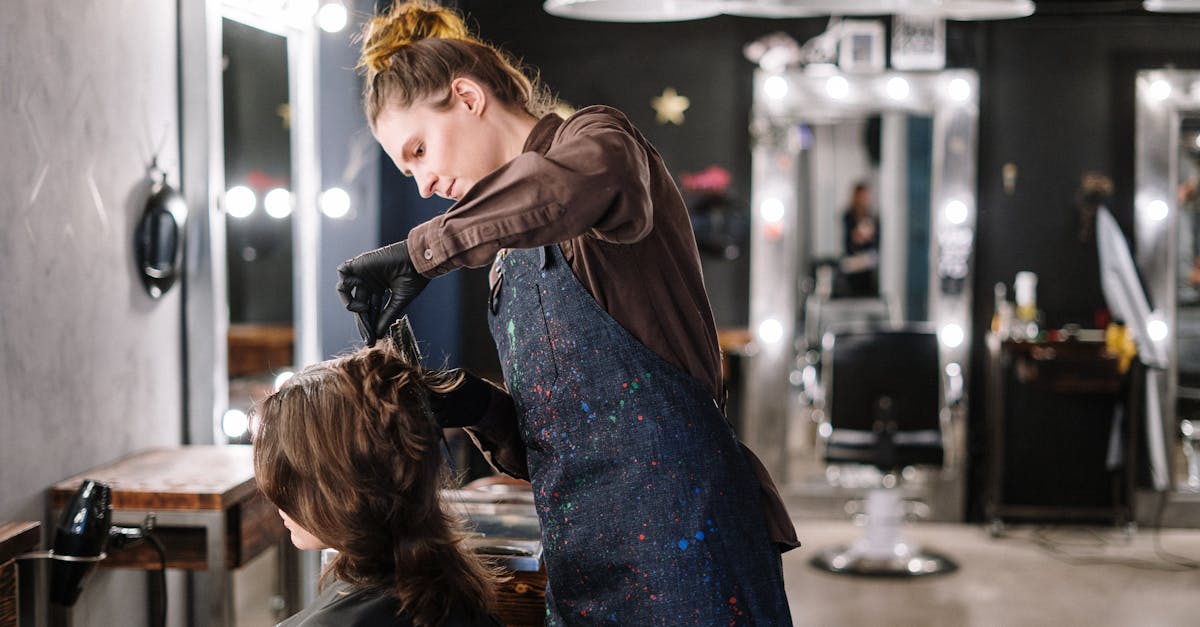
As salon owners and operators, we spend endless creative energy bringing fresh faces through the front door. We post gorgeous transformation photos on social media, design seasonal promotional packages, and curate welcoming consultation experiences. Yet behind the lively energy of a bustling studio, a quiet revenue leak threatens even the most successful beauty businesses. It is not the occasional sudden cancellation or late arrival—it is the silent drift of regular clients who simply forget to schedule their next visit.
When a guest finishes a flawless color application or precision haircut, they leave your chair feeling incredible. But as daily life gets busy, their ideal visit window slips away. Four weeks turn into six weeks, and six weeks quietly stretch into three months. By the time anyone notices they are long overdue, that guest has drifted away to a competitor or fallen out of their routine entirely.
How Client Drift Quietly Empties Your Book
Every salon manager recognizes the pattern. A client who typically books a touch-up every six weeks misses their normal cycle. They did not leave because of poor service quality, an incorrect color formula, or a bad experience at checkout; they simply lost track of calendar time. Without a timely and personalized nudge, they eventually spot another salon down the street or attempt to book online only to find your preferred stylist's calendar completely full.
This silent attrition steadily erodes your overall chair utilization month after month. You might notice your front desk team working twice as hard to attract new inquiries just to replace missing bookings. However, acquiring a new guest costs significantly more than maintaining a loyal client who already trusts your artistry.
To understand how other high-touch service operations handle daily calendar pressure, read our post on [Stopping the Front Desk Surge: How AI Triage Keeps Veterinary Clinics Running Smoothly](/blog/stopping-the-front-desk-surge-how-ai-triage-keeps-veterinary-clinics-running-smoothly). Just like a clinical front coordinator, a busy salon manager faces constant phone calls and walk-in distractions that render manual client outreach nearly impossible.
Why Checkout Rebooking Fails at the Front Desk
The absolute best time to secure a client's next appointment is right at the checkout counter before they leave the building. Your stylist finishes the blowout, hands off the client to the front desk, and recommends coming back in five or six weeks to preserve their color integrity.
In practice, the front desk counter is often ground zero for daily friction. Your reception team is simultaneously trying to answer incoming phone calls, process retail product purchases, greet arriving guests, and balance stylist processing times across booking platforms like Vagaro or Square Appointments. When the lobby gets crowded, rebooking prompts are the first thing to get skipped. The client promises to check their personal calendar at home, steps out the door, and the rebooking opportunity vanishes.
Once that guest walks out without a future date in the system, traditional follow-up relies on staff members manually scrolling through client records during rare moments of downtime. Handwritten notes and static spreadsheet reports mean overdue guests slip through the cracks until quarterly financial reports show an undeniable drop in retention rates.
How Brooklyn Keeps Chairs Filled and Clients Loyal
This operational bottleneck is where a dedicated AI workforce member changes everything. Instead of placing the heavy burden of manual retention outreach onto your front desk staff or busy stylists, an intelligent assistant like Brooklyn works quietly behind the scenes.
Brooklyn monitors visit intervals for every individual client in your system. When a guest approaches the end of their personal service cycle—whether that is four weeks for a barber cut or eight weeks for a balayage—the AI initiates warm, personalized communication over SMS or messaging.
Rather than firing off a generic mass marketing email, Brooklyn checks your booking system for the client's preferred stylist, past service duration, and typical time preferences. The system delivers a friendly message directly to their phone: "Hi Sarah! It has been six weeks since your last color transformation with Elena. We have a few open appointments next Thursday afternoon if you would like to refresh your tone."
When the client texts back, Brooklyn handles the scheduling request instantly, updates the calendar, and confirms the reservation. If another guest cancels late at night, Brooklyn automatically contacts qualified clients on your waitlist to fill the newly opened gap before morning.
Salons deploying automated rebooking workflows see dramatic improvements in client retention, keeping chair utilization high and raising average ticket averages over time. For a deeper look into structuring these proactive outreach cycles, read [The Silent Drift: How Automated Salon Client Rebooking Keeps Chairs Filled](/blog/the-silent-drift-how-automated-rebooking-keeps-salon-chairs-filled).
By removing the friction of manual rebooking from your front desk, you give your team the freedom to focus on in-person hospitality and service excellence, while your schedule stays effortlessly full.