How to Automate Logistics Load Planning for Fleet Efficiency

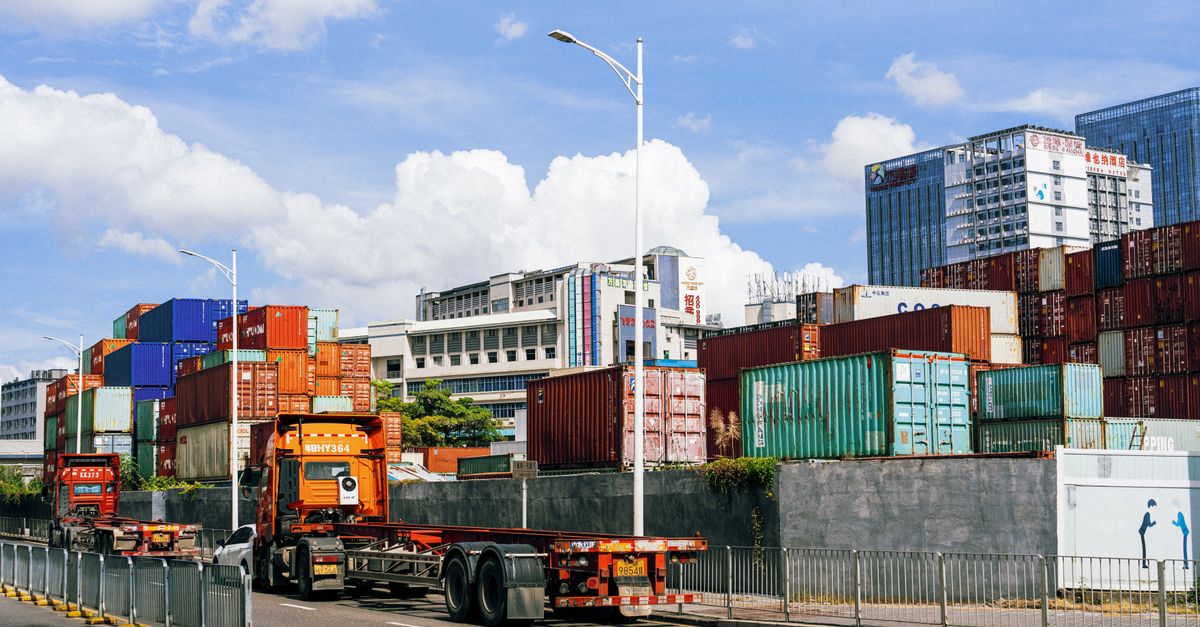
Every morning in dispatch offices across the country, experienced load planners sit down before sunrise to build trailer manifests. They balance weight restrictions, equipment types, customer time windows, and driver locations. Most of these plans are built from memory, habit, and static spreadsheets. When fleet managers evaluate How to Automate Logistics Load Planning inside busy operations, the biggest opportunity is not how fast trucks drive on the highway—it is how effectively trailers are filled before pulling out of the yard.
When load building relies entirely on manual effort, quiet inefficiencies compound across every lane. A planner might assign a standard dry van to a load that requires temperature controls, forcing a last-minute scramble. Or they might accept empty return trips as an inevitable cost of doing business. These manual habits leave revenue sitting on the highway while dispatchers spend hours making phone calls to adjust schedules.
The Hidden Costs of Manual Load Planning
In a typical freight operation, dispatchers receive incoming Quotes and booking requests from dozens of Shipper Accounts throughout the shift. Without automated load building tools, evaluating whether a load fits an existing multi-stop run takes valuable time. Planners end up building simple point-to-point loads just to keep freight moving, leaving valuable trailer volume empty.
Equipment mismatches are another daily headache. When trailer specs are not automatically verified against cargo requirements, drivers arrive at pickup docks only to discover the freight cannot be loaded. That leads to delayed pickups, frustrated dock crews, and emergency re-routing. Furthermore, multi-stop routes planned manually rarely account for optimal highway sequencing, forcing drivers to backtrack and burn unnecessary fuel.
While video game enthusiasts search online for how to automate logistic science pack creation in virtual worlds, real fleet managers deal with heavy iron, rising fuel prices, and tight delivery promises. Every empty mile driven between drops is revenue lost forever. Manual planning simply cannot analyze thousands of weight, cube, and location combinations fast enough to optimize every trailer before dispatch.
How to Automate Logistics Load Planning in Daily Operations
Bringing AI into the load planning workflow fundamentally changes how dispatchers work. Instead of stitching together manifests on paper or spreadsheets, an AI load management employee evaluates every incoming load against available trailer capacity, equipment specifications, and driver schedules in real time.
When a new booking arrives, the system instantly cross-references the cargo dimensions and weight against active lanes. It identifies opportunities to consolidate smaller shipments into efficient multi-stop runs without violating weight limits or delivery windows. By evaluating trailer utilization upfront, dispatchers can maximize space on every haul and drastically reduce empty return miles.
Adopting tailored ai for logistics companies allows operations teams to stop guessing on lane capacity. The AI employee continuously scans active fleet positions and generates optimized route sequences that minimize deadhead distance. Rather than spending hours every morning building puzzle pieces by hand, your dispatchers receive pre-built, fully verified load plans minutes after shift start.
This level of operational discipline protects your service level agreements. For teams looking to strengthen broader operational habits, learning about [preventing silent operational failures](/blog/how-it-services-ai-stops-silent-sla-breaches-before-monthly-reporting) offers valuable perspective on maintaining consistency across complex workflows.
From Reactive Dispatch to Predictable Fleet Margins
When load planning is automated, dispatchers shift from reactive firefighters to strategic coordinators. Instead of making frantic calls to adjust trailer assignments at the dock, they focus on strengthening carrier relationships, managing key Contacts, and providing proactive updates to Shipper Accounts.
Unlike traditional freight claims management software that only comes into play after cargo is damaged or delayed, intelligent load planning prevents operational mistakes at the source. Correct equipment matching means cargo is stowed safely on the right trailer type every single time, drastically cutting transit hazards and dockside refusals.
Automating load building also streamlines documentation. Pickup orders, weight verifications, and route sheets are generated automatically and sent directly to driver cab units. Operations teams dealing with heavy paperwork bottlenecks can see similar gains by exploring strategies for [streamlining complex documentation workflows](/blog/ai-for-healthcare-documentation-reclaiming-clinical-time) across administrative departments.
Logistics is a business of narrow margins and tight schedules. You cannot control diesel prices or highway traffic, but you can control what goes inside your trailers and how efficiently those rigs are routed. By automating your load planning workflow, you keep your wheels turning, your trailers full, and your promises kept.
Get the next one for logistics in your inbox.
I'm Rusty, the Logistics ambassador here. One useful piece a week for logistics owners, written for how the work actually happens — plus first access to the free EngageSuite360 CRM built for logistics. Unsubscribe any time.
Rusty replies from logistics@agentworksstudio.com. One email with the link — no list, no drip, unless you ask for the weekly letter. Or go straight there →