How to Automate Logistics Freight Claims for Maximum Recovery

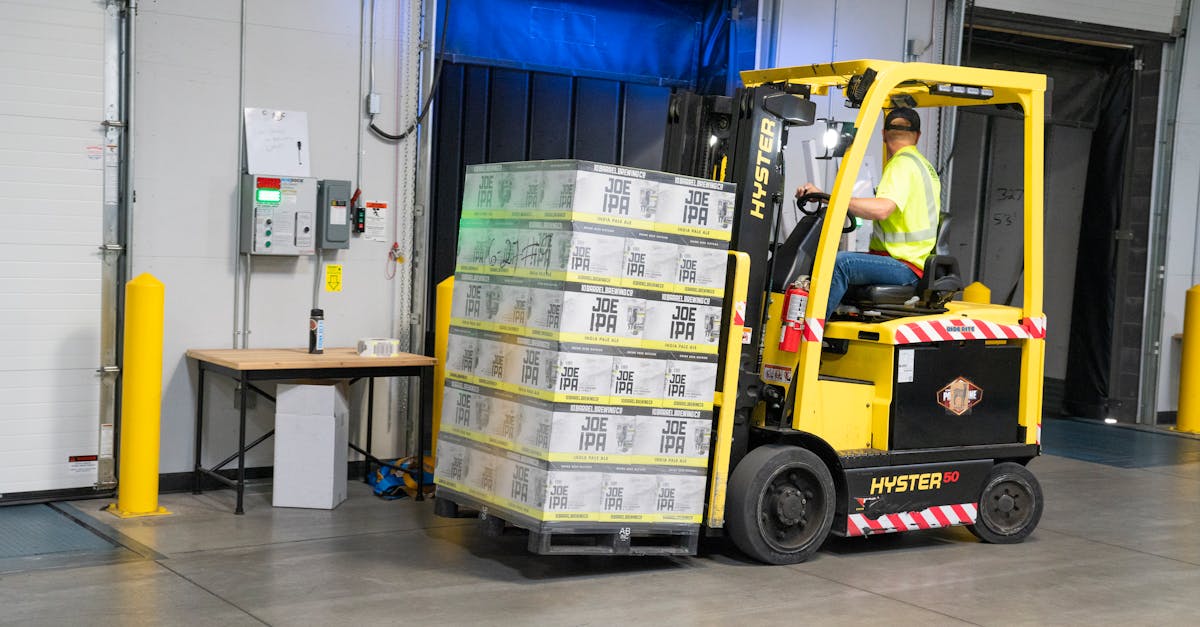
Every freight operator knows the frustrating silence that follows a damaged delivery. A carrier drops off a damaged pallet, the receiver scribbles a quick note on the delivery receipt, and the driver pulls away. Days later, the customer calls asking where their replacement stock is. By the time your back-office team tries to file a claim, the paper trail is already cold. Photos are trapped on a driver’s personal phone, the signed receipt is buried in a pile of paperwork, and the filing window is closing fast.
Learning how to automate logistics freight claims changes this dynamic completely. For years, managing cargo damage has been treated as a passive administrative burden rather than an active recovery process. By deploying dedicated ai for logistics companies, freight operators can transform broken claims workflows into streamlined revenue protection.
The Hidden Expense of Fragmented Claim Documentation
When damage occurs on a lane, speed and comprehensive documentation decide whether you recover lost revenue or swallow the loss. In standard warehouse and freight operations, the claims workflow breaks down across multiple disconnected steps. Proof of damage arrives through scattered channels—an email from a warehouse supervisor, a text message from a driver, or a handwritten note attached to a paper bill of lading.
Without dedicated freight claims management software logic running continuously, these crucial records remain disconnected. Staff members must manually search through inbox threads, contact carrier representatives, and request updated status reports. Because manual follow-up takes hours away from active load coordination and daily dispatching, busy teams often prioritize urgent deliveries over chasing claims. As a result, carrier response deadlines pass without action, claim amounts are calculated far below true product value, and unrecovered losses quietly erode your operating margins.
Modern logistics operations also run into administrative complexity across other operational boundaries, much like the cross-functional coordination required when [fixing broken client onboarding with IT services AI](/blog/fixing-broken-client-onboarding-with-it-services-ai). When records sit in isolated email folders, accountability vanishes and carrier recovery turns into a losing battle.
How to Automate Logistics Claims Workflows with AI
An AI workforce changes this equation by taking ownership of claim documentation the moment an exception occurs. When freight arrives damaged at a cross-dock or customer receiving facility, the digital assistant captures delivery receipts, digital photos, and shipping manifests immediately upon receipt.
Instead of leaving files scattered across personal devices and email threads, the AI employee handles the entire operational lifecycle:
- Assembles the complete claim package automatically, linking damage photos directly to the specific shipment record, shipper account, and carrier profile.
- Calculates the full claim value, including original product replacement cost, freight charges, and consequential handling expenses.
- Submits the standardized claim package to the carrier within the required filing window before formal deadlines expire.
- Tracks carrier responses in real time, issuing automated follow-up communications whenever a carrier misses an agreed response window.
- Escalates unresolved claims to operational managers with complete historical audit logs and supporting documents attached.
For logistics managers who have spent late nights trying to piece together complex supply line mechanics—a process as intricate as learning how to automate logistic science pack production in advanced system design—having an automated system instantly stitch together claims documents brings complete operational clarity to freight recovery.
Restoring Profitability Through Continuous Recovery
When claim workflows are handled systematically, recovery rates increase while administrative workload drops. Your back-office staff no longer spends valuable morning shifts chasing down carrier claims adjusters or searching through filing cabinets for missing bills of lading. Instead, every cargo damage incident follows an automated path from initial delivery exception to final payment settlement.
Furthermore, capturing structured claim data across all lanes exposes carrier performance trends over time. If a specific carrier repeatedly delivers damaged freight or stalls on claim settlements on a high-volume lane, the system surfaces that trend before it damages key customer relationships. Similar operational improvements are taking place across other service industries, as seen in how teams leverage an [AI receptionist for legal practices: solving client responsiveness](/blog/ai-receptionist-for-legal-practices-solving-client-responsiveness) to eliminate communication bottlenecks and capture missed revenue opportunities.
By taking a proactive, automated approach to freight damage, logistics companies preserve their hard-earned operating margins, enforce carrier accountability, and protect customer trust across every mile.
Every call answered — even the ones you can't take.
I'm Rusty, the Logistics ambassador here. The calls this article is about are the ones that decide whether a logistics business grows: the one that rings while you're with a customer, the one after close. The AI Front Desk answers them in your name, books the appointment, and hands you the details. Leave your email and I'll send you the setup link and a two-minute walkthrough — try it before you pay.
Rusty replies from logistics@agentworksstudio.com. One email with the link — no list, no drip, unless you ask for the weekly letter. Or go straight there →