Beyond the Document Chase: How AI Solves Tax Season's Biggest Bottleneck

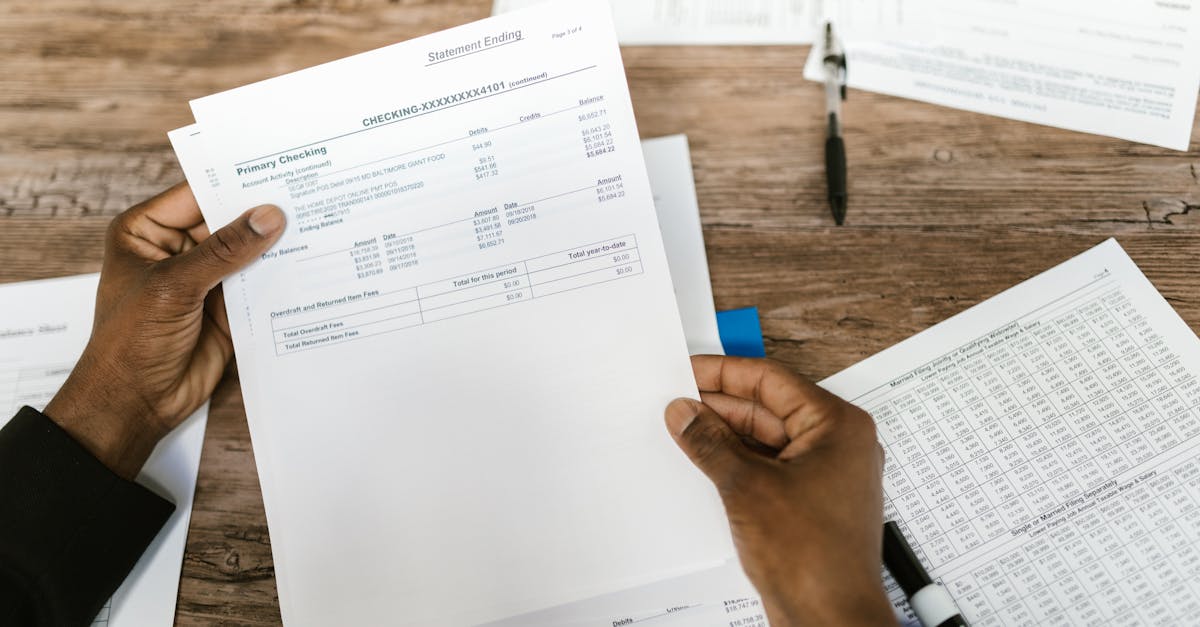
The Hidden Grind of Chasing Tax Documents
Every winter and spring, accounting practices across the country enter a familiar cycle of chaos. It starts with the best intentions: your firm sends out tax organizers, intake questionnaires, and engagement letters early. Yet as filing deadlines creep closer, your staff spends countless billable hours sending individual follow-up emails, searching through inbox attachments, and cross-referencing paper files against master spreadsheets.
The true cost of this manual document chase extends far beyond administrative burden. When tax organizers come back incomplete and income records trickle in over multiple weeks, your senior team spends valuable capacity managing file statuses rather than analyzing financial strategies. Staff accountants open client files only to realize crucial wage statements or interest schedules are missing, forcing them to pause work and switch contexts repeatedly throughout the day. This constant friction erodes practice margins, reduces capacity per partner, and turns strategic advisory work into an endless game of email tag.
Much like how service businesses struggle with [lead follow-up leaks](/blog/eliminating-the-lead-follow-up-leak-in-real-estate-brokerages) or human resources teams get bogged down in [interview scheduling ping-pong](/blog/ending-the-interview-scheduling-ping-pong-in-recruiting), accounting practices lose momentum whenever client communications depend on manual human intervention. When document collection relies on manual tracking, deadline compliance becomes fragile, team morale plummets, and long-term client retention suffers.
How an AI Tax Coordinator Takes Over the Intake
Imagine a different operational reality for your accounting firm during peak tax season. Instead of your staff spending hours compiling lists of missing tax items and typing manual reminders, a dedicated AI employee manages the entire document intake pipeline from start to finish.
Consider a real-world scenario from late evening during busy season. A client logs into your secure document portal late at night and uploads a stack of scanned tax records. Rather than waiting for a staff member to log in the next morning, your digital client onboarding specialist springs into action instantly.
First, the AI agent confirms receipt with the client immediately, eliminating the anxious follow-up email asking if the files arrived safely. Second, it automatically inspects the uploaded files and checks them against an entity-specific document checklist tailored to that client's tax structure. When the system detects missing wage statements or an absent schedule, it generates a polite, precise follow-up request directly to the client specifying exactly what remains outstanding.
Third, the agent organizes and files every document directly into SmartVault, updates the engagement status in your practice tracking system, and prepares preliminary workpapers. Finally, it queues the complete file for CPA review with explicit deadline notes attached. The accountant opens a fully prepared, fully reconciled workpaper set without ever writing a single email chasing missing records.
Elevating the Firm from Document Chaser to Advisor
Automating tax document collection fundamentally changes the operational dynamics of an accounting practice. By deploying purpose-built digital assistants, firms eliminate the administrative logjam that traditionally bottlenecks return preparation.
When tax document checklists, proactive client reminders, and initial intake reviews run continuously in the background, your practice reclaims valuable capacity. Senior staff and CPAs no longer spend early spring acting as record clerks. Instead, they can expand their client load, focus on deep advisory services, maintain complete deadline compliance, and deliver real-time financial insights that clients value.
Furthermore, proactive communication keeps clients informed and accountable. Instead of receiving frantic, last-minute requests right before filing cutoff dates, clients receive structured, gentle reminders right when intake opens. This systematic approach establishes clear expectations, improves client retention, and ensures every file reaches audit-ready condition well before filing deadlines arrive.
Transitioning to an AI-driven workflow does not mean replacing human judgment; it means elevating it. By letting intelligent software handle document intake, checklist verification, and routine follow-ups, your practice protects its billable hours, preserves staff energy, and transforms tax season from a chaotic push into a streamlined, high-margin operation.